
Beyond the Supra: Navigating Authentic Georgian Culinary Traditions
By iciartravel.com · · 4 min read
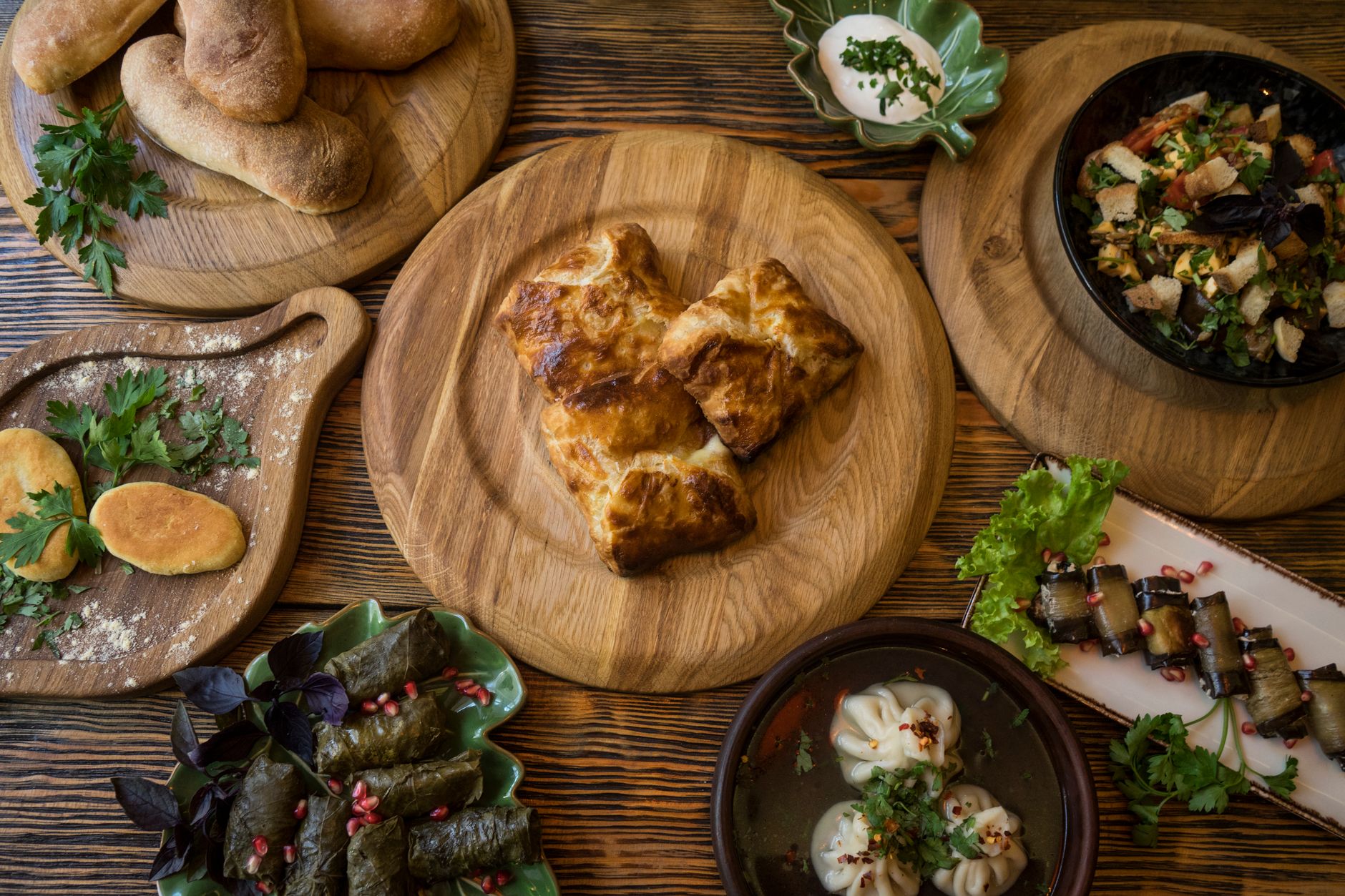
Discover the nuances of Georgia's ancient food culture. Learn how to distinguish authentic regional flavors from tourist-standard offerings to ensure an elevated culinary experience.
The Soul of the Caucasus on a Plate
For the discerning traveler, Georgia offers more than just sustenance; it offers a historical narrative told through spice, fermentation, and fire. As you journey through the Caucasus, you will encounter the Supra—the traditional feast—which serves as the heartbeat of Georgian social life. However, not all tables are set with the same level of authenticity. At Iciar Travel, we believe that true cultural immersion requires the ability to discern the subtle, masterful strokes of tradition from the diluted versions often presented to the casual visitor.
The Trap of 'One-Size-Fits-All' Menus
A common mistake travelers make is expecting every restaurant in Tbilisi or the regions to offer a uniform version of national staples like Khinkali or Khachapuri. In reality, Georgia’s culinary landscape is hyper-local.
- The Khinkali Error: You may find dumplings in every city, but the true craft lies in the pleats and the broth. A machine-made dough or a lack of internal juiciness is a hallmark of a rushed, non-traditional kitchen. Always look for thin, hand-folded pastry that holds a distinct, aromatic broth of seasoned meat and mountain herbs.
- The Khachapuri Fallacy: While the Adjarian boat-shaped cheese bread is famous, it is a regional specialty. Ordering it in the high mountains of Svaneti is akin to seeking fresh seafood in a landlocked desert. For a more authentic experience, seek out Kubdari, the spiced meat-filled bread native to the Svaneti region, or Mchadi, the simple, golden cornmeal bread that has sustained mountain families for centuries.
Understanding the Qvevri Philosophy
Wine in Georgia is not merely an accompaniment to a meal; it is the cornerstone of the culinary experience. A critical mistake many travelers make is equating 'Georgian wine' solely with the mass-produced, semi-sweet varieties often marketed for quick consumption.
To appreciate the qvevri method—an 8,000-year-old tradition inscribed on the UNESCO Representative List of Intangible Cultural Heritage—you must move beyond the shelf-stable bottles found in souvenir shops. Authentic qvevri wine, fermented in buried clay vessels with skin contact, offers an amber hue and a complexity that demands patience. If a wine lacks the tannins and the distinct 'earthy' finish of clay-aged fermentation, it is likely a modern interpretation lacking the depth of our heritage. We recommend private wine tastings with boutique, family-run producers who treat every vintage as a sacred archival project.
Avoiding the 'Tourist Buffet' Trap
When exploring Georgia’s heritage, the most authentic meals are often found in private homes or small-scale artisanal kitchens rather than bustling, multi-lingual establishments.
- Look for Seasonality: A truly authentic Georgian kitchen follows the harvest. If you see fresh tomatoes and cucumbers in the dead of winter, you are likely in a tourist-oriented establishment. Authentic Georgian cuisine is deeply rhythmic; it respects the seasons and the land.
- The Spice Integrity: Ingredients like blue fenugreek, marigold, and khmeli suneli should be subtle enhancements, not overwhelming artificial flavorings. If a dish tastes like a heavy-handed spice blend, it has lost the balance that local artisans have perfected over generations.
- Engage with the Producer: The most profound culinary memories come from knowing the hands that grew the grapes or churned the sulguni cheese. We facilitate direct interactions with village artisans, ensuring that your itinerary is designed not just for consumption, but for education.
A Bespoke Path Forward
Luxury, in the context of the Caucasus, is defined by access to the genuine. It is the quiet moments in a remote valley, sharing bread with a local family who has perfected their recipe over centuries. It is knowing exactly which region produces the most exquisite pkhali (vegetable pâté) and why the mineral content of the local water changes the texture of the dough.
At Iciar Travel, we curate these moments to ensure your journey through Georgia remains untainted by the generic. We prioritize intimate, private settings where the emphasis is on the provenance of every ingredient. Whether it is a mountain trekking expedition paired with a rustic, outdoor feast or a private cultural site access that concludes with a masterclass on traditional culinary techniques, our goal is to guide you toward an experience that is as authentic as it is exclusive.
When you travel with us, you aren't just a guest; you are an observer of a culinary renaissance. Avoiding the common pitfalls of mass tourism allows you to peel back the layers of our culture, revealing a richness that is often missed, but never forgotten.
- georgia tourism
- culinary immersion
- luxury travel
- bespoke journeys
- qvevri wine